What the treatment involves
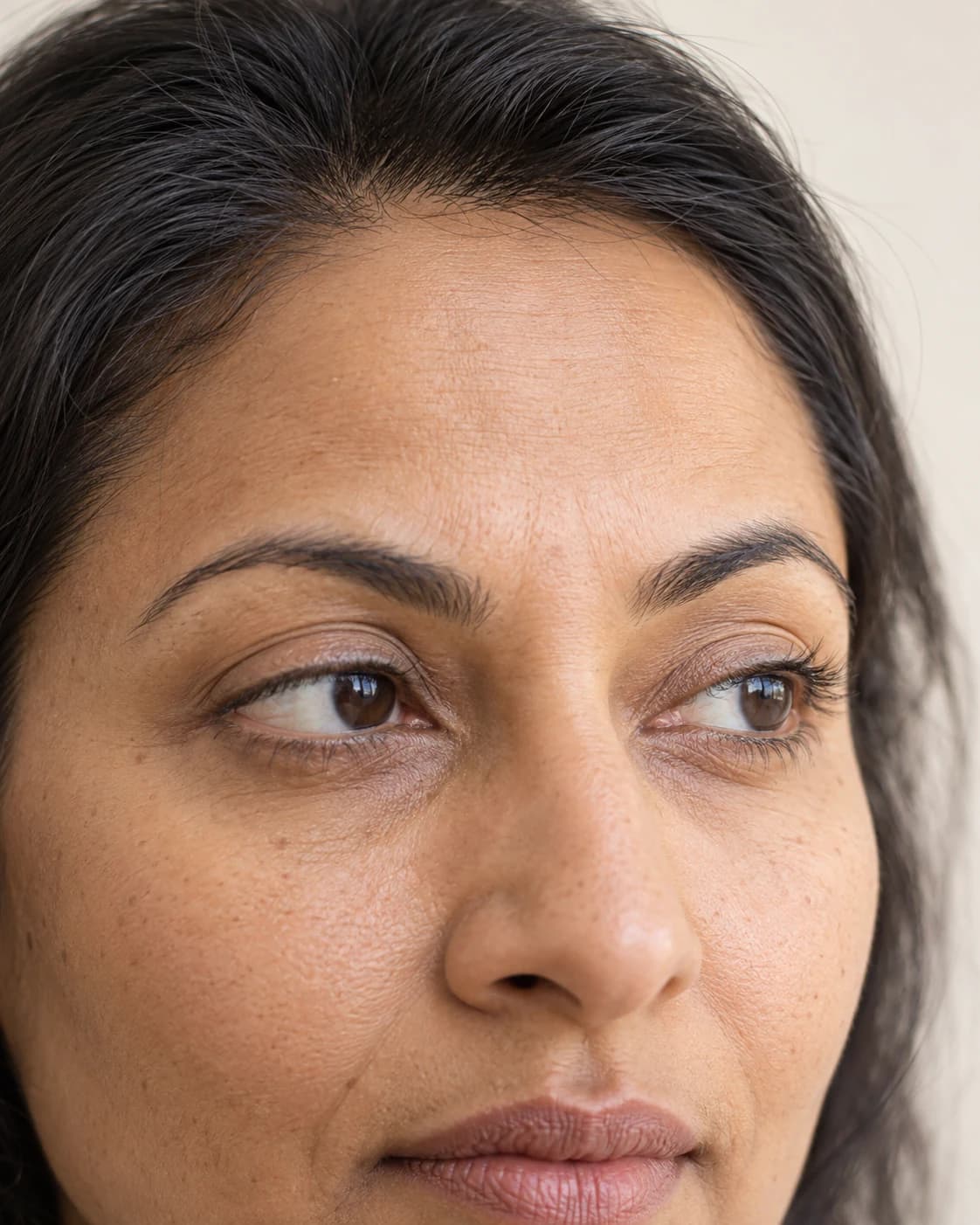
Hollowing under the eyes can cast a shadow that makes the eyes look tired. In carefully selected people, a small amount of filler placed under the skin with a fine needle or blunt-tipped cannula can soften this hollow.
Under-eye concerns have many different causes, and filler only helps some of them. If your concern is mainly puffiness, eye bags, fluid retention, pigmentation or very thin skin, filler may not help and could make the area look worse, so your practitioner may recommend a different approach, a referral, or no treatment. They will explain the reasons, the risks of this area and the alternatives.
Who may be suitable
- Adults aged 18 or over with hollowing under the eyes, reasonable skin quality and little or no puffiness.
- People who are in good general health and have realistic expectations about what filler can and cannot change in this area.
- Suitability is always confirmed in person after a careful face-to-face assessment and a review of your medical history.
When it may not be suitable
- Tear trough treatment is not offered to anyone under 18. It may not be suitable if you have puffiness, prominent eye bags, swelling that comes and goes (for example with allergies or fluid retention), very thin or loose skin, or dark circles caused mainly by pigmentation or visible blood vessels.
- It may also not be appropriate during pregnancy or breastfeeding, if there is active infection or inflammation, after recent surgery around the eyes, or with certain medical conditions or medications. Your practitioner will discuss this with you.
Potential benefits
- May soften the appearance of hollowing under the eyes, with the aim of a natural-looking, less tired appearance.
- Hyaluronic acid fillers are temporary and are gradually broken down by the body.
- A conservative approach using small amounts, so you can review the effect before deciding on anything further.
What to expect
Your consultation covers your goals, medical history, an assessment of the under-eye area and the likely cause of your concern, and a discussion of options, risks, alternatives and costs. You will have time to consider the information before deciding.
If you go ahead, the skin is cleansed and the filler is placed in small amounts with a fine needle or a blunt-tipped cannula. Many fillers contain a local anaesthetic to improve comfort.
You will be given written aftercare information and details of how to contact the clinic urgently if needed.
Recovery and aftercare
- Swelling and bruising are common and can be more noticeable, and take longer to settle, around the eyes than in other areas.
- Your practitioner will advise on what to avoid for a period afterwards — for example rubbing or pressing on the area, strenuous exercise and heat — and on when make-up can be applied.
- Seek help immediately if you notice increasing pain, or the skin turning pale, dusky, blue or mottled — contact the clinic straight away. If you have any change in your vision or eye pain, or cannot reach the clinic, call 999 or go to A&E.
Your practitioner will give you aftercare advice specific to your treatment, which may differ from the general guidance above.
Results and longevity
Some change is visible immediately, but the final result is usually assessed once any swelling and bruising have settled.
How long filler lasts varies between products, areas and individuals. Your practitioner will explain what to expect for the product proposed — no specific duration can be guaranteed.
Individual results vary.
Risks and side effects
- Common: swelling, bruising (which can be noticeable), redness and tenderness, usually short-lived.
- Less common: prolonged or recurring swelling, visible lumps or ridges, a bluish tinge under the skin if filler sits too close to the surface, asymmetry, infection, or an allergic or inflammatory reaction.
- Rare but serious: filler entering or blocking a blood vessel (vascular occlusion). The under-eye area is close to vessels connected to the eye, so this can damage the skin and, rarely, cause loss of vision, which may not recover.
- Your practitioner will discuss the risks that apply to you before you consent.
If you experience severe or worsening pain, skin colour changes, changes in your vision or difficulty breathing after any treatment, seek urgent medical help (call 999) and contact the clinic.
Pricing
£250- Tear trough — Under-eye filler£250
The cost of treatment depends on your assessment and the plan agreed. Your practitioner will explain all costs before you decide whether to go ahead. See our full price list.
Common questions
Will filler get rid of my dark circles?
It depends on the cause. Filler may soften a shadow caused by hollowing, but it will not change dark circles caused by pigmentation or visible blood vessels, and it can make puffiness look worse. Your practitioner will assess the cause and explain what is likely to help.
What if filler isn't right for me?
Your practitioner will explain why and talk through the alternatives, which may include skincare, addressing an underlying cause such as allergies with your GP, a surgical opinion, or not having treatment.
Can it be reversed?
Hyaluronic acid fillers can usually be dissolved with an enzyme called hyaluronidase if needed. Your practitioner will explain how this applies to the product proposed and the clinic's arrangements.
This information is general and is not a substitute for a consultation. Suitability for treatment is decided by the practitioner after an individual assessment, and individual results vary.