What the treatment involves
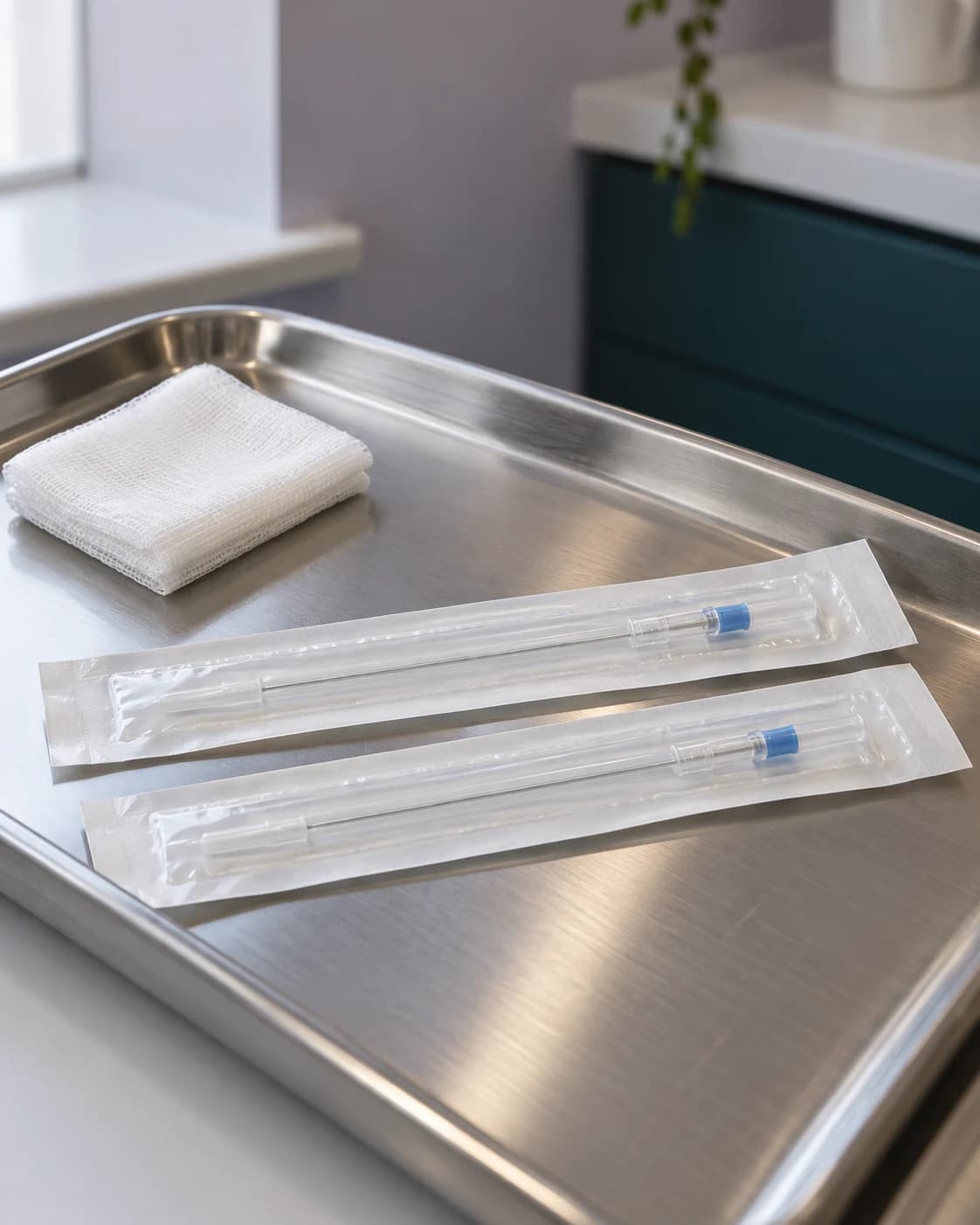
Cog threads have tiny barbs along their length. After a local anaesthetic, they are inserted under the skin through small entry points using a fine needle or cannula, and the barbs grip the tissue so that it can be gently repositioned — for example along the jawline, jowls or mid-face. Over time the threads are gradually broken down and absorbed by the body.
The aim is a modest lift and improved definition; a thread lift is not a substitute for a surgical facelift and cannot remove loose skin. Some thread products are sold under names that describe a particular face shape — a product name is not a description of the result you will get. Your practitioner will explain the product they propose, what it can and cannot do, and the alternatives, including a surgical opinion or not having treatment.
Who may be suitable
- Adults aged 18 or over with mild to moderate softening or sagging of the face who would like to discuss a non-surgical option.
- People who are in good general health and have realistic expectations about the modest and variable nature of any change.
- Suitability is always confirmed in person after a face-to-face assessment and a review of your medical history.
When it may not be suitable
- Thread treatment is not offered to anyone under 18.
- It may not be appropriate with significant loose skin (where surgery may be more suitable), very thin skin, active infection or inflammation in the area, a tendency to poor healing or abnormal scarring, bleeding disorders or blood-thinning medicines, certain autoimmune or other medical conditions, or during pregnancy or breastfeeding. Your practitioner will discuss this with you.
Potential benefits
- May give a modest lift and improved definition in areas such as the jawline and mid-face, without surgery.
- PDO threads are absorbable and are gradually broken down by the body.
- Can be planned alongside, or as an alternative to, other approaches after a discussion of all the options.
What to expect
Your consultation covers your goals, medical history, a facial assessment and a discussion of options, risks, alternatives and costs. You will have time to consider the information before deciding.
If you go ahead, the skin is cleansed, entry points are marked and a local anaesthetic is used. The threads are inserted and positioned, and any excess is trimmed. You may feel pressure or a pulling sensation during the procedure.
You will be given written aftercare information and details of how to contact the clinic.
Recovery and aftercare
- Swelling, bruising, tenderness, a feeling of tightness and small dimples or puckering of the skin are common and usually settle over the following days to weeks.
- You are likely to be asked to avoid things that move or put pressure on the treated area for a period — for example facial massage, very wide mouth opening, strenuous exercise, sleeping face-down and some dental treatment. Your practitioner will tell you what to avoid and for how long.
- Contact the clinic promptly if you notice increasing pain, redness, warmth, swelling or discharge, a fever, a thread end coming through the skin, skin colour changes, or any change in your vision, as these require urgent assessment.
Your practitioner will give you aftercare advice specific to your treatment, which may differ from the general guidance above.
Results and longevity
Some change may be visible straight away, but swelling and tightness can make early results hard to judge. The final result is usually assessed once these have settled.
Lifting effects from threads are generally modest, and how long any change lasts varies between products, areas and individuals. Your practitioner will explain what to expect for the product proposed — no specific duration can be guaranteed.
Individual results vary.
Risks and side effects
- Common: swelling, bruising, tenderness or pain, tightness, skin dimpling or puckering and asymmetry, usually short-lived.
- Less common: threads that can be seen or felt under the skin, a thread end working its way out through the skin, prolonged pain, infection, irritation of a nerve, or a result that is uneven or less than expected. Threads can be difficult to remove once inserted.
- Rare but serious: injury to a nerve, blood vessel or salivary gland, infection or inflammation needing further treatment (occasionally including removal of the threads), and scarring.
- Your practitioner will discuss the risks that apply to you and the specific area being treated before you consent.
If you experience severe or worsening pain, skin colour changes, changes in your vision or difficulty breathing after any treatment, seek urgent medical help (call 999) and contact the clinic.
Pricing
Consultation required for an individual treatment plan.
The cost of treatment depends on your assessment and the plan agreed. Your practitioner will explain all costs before you decide whether to go ahead. See our full price list.
Common questions
Is a thread lift the same as a facelift?
No. A thread lift aims for a modest, temporary change and cannot remove loose skin. For more significant skin laxity, a surgical opinion may be more appropriate, and your practitioner will tell you if they think so.
Does it hurt?
A local anaesthetic is used, but you may feel pressure, pulling or some discomfort during treatment, and tenderness for a while afterwards. Your practitioner will discuss how to keep you as comfortable as possible.
Can threads be removed?
Sometimes, but not always easily — once threads have been in place for a while, tissue forms around them. This is one of the reasons careful assessment and planning matter. Your practitioner will explain how complications would be managed for the product proposed.
This information is general and is not a substitute for a consultation. Suitability for treatment is decided by the practitioner after an individual assessment, and individual results vary.