What the treatment involves
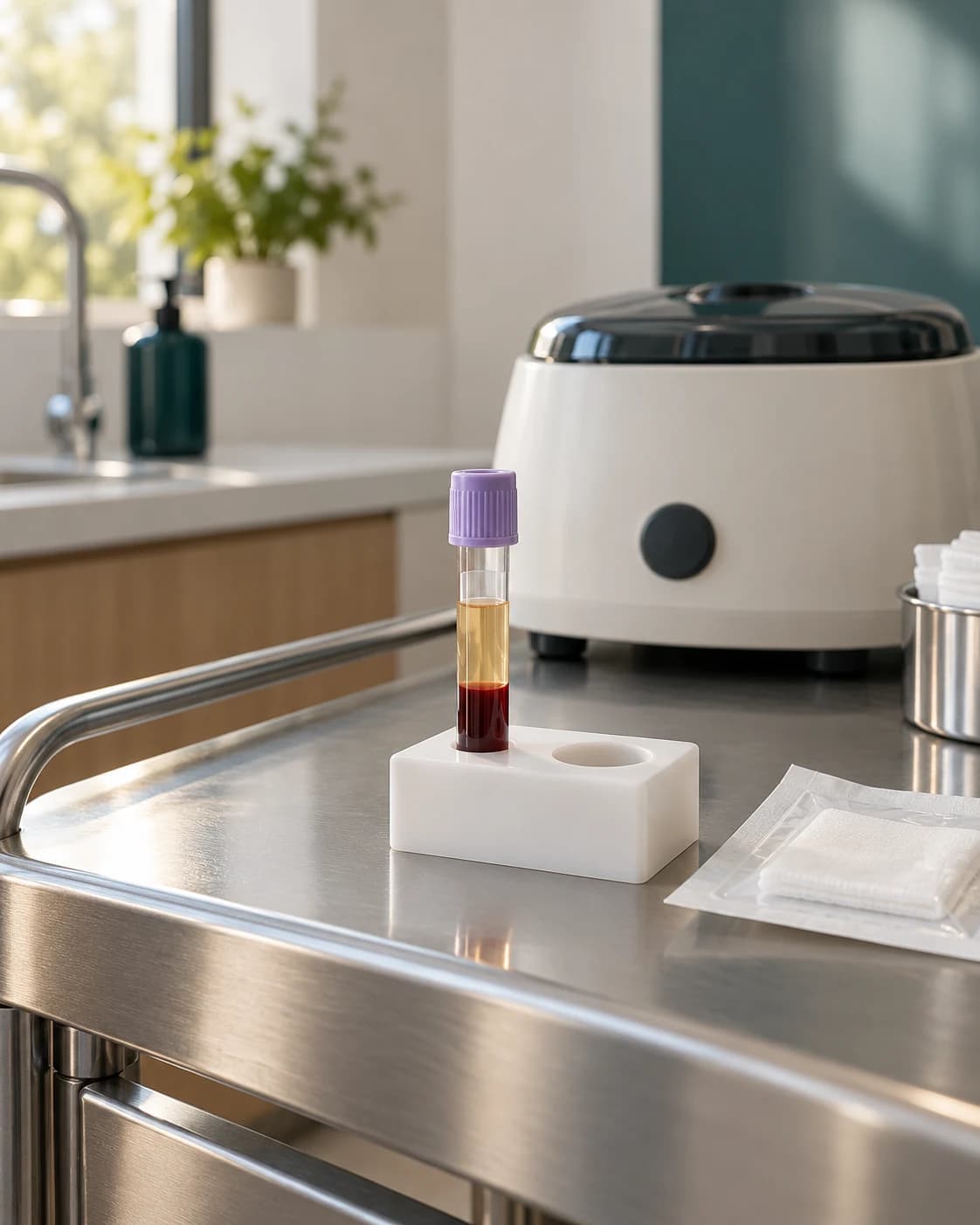
A blood sample is taken from your arm and spun in a centrifuge to separate and concentrate the platelets, which contain proteins called growth factors. PRP is a liquid concentrate. PRF is prepared differently, without an added anticoagulant, and contains fibrin, which forms a gel-like material after preparation.
The concentrate is then injected in small amounts or applied to the skin, depending on the area and the plan. The evidence for PRP and PRF in aesthetic treatments is mixed and still developing, and preparation methods vary between systems, which makes studies difficult to compare. Your practitioner will explain what is known, what the alternatives are, and whether not having treatment may be the better choice for you.
Who may be suitable
- Adults aged 18 or over who would like to discuss concerns about skin quality, or hair thinning after its likely cause has been assessed.
- People who are comfortable having a blood sample taken, are in good general health, and have realistic expectations given the mixed evidence.
- Suitability is always confirmed in person after an assessment and a review of your medical history.
When it may not be suitable
- PRP and PRF treatment is not offered to anyone under 18.
- It may not be appropriate with blood or platelet disorders, anaemia, blood-thinning or certain other medicines, active infection or inflammation in the area, current or recent cancer treatment, certain other medical conditions, or during pregnancy or breastfeeding. Please tell us if you have fainted during blood tests before. Your practitioner will discuss this with you.
Potential benefits
- Prepared from your own blood, so the main material injected comes from your body rather than a manufactured product.
- Some people choose PRP or PRF with the aim of supporting skin quality or the appearance of hair density. The evidence is mixed, and results vary considerably.
- Any change tends to be gradual and subtle, and does not alter the shape of your features.
What to expect
Your consultation covers your goals, medical history, an assessment of the area and a discussion of options, risks, alternatives and costs. You will have time to consider the information before deciding.
On the day, a blood sample is taken from a vein in your arm, much like a routine blood test, and processed in a centrifuge. The area to be treated is cleansed, and the concentrate is injected in small amounts with a fine needle or applied to the skin as planned. Your practitioner will discuss ways to make you more comfortable.
You will be given written aftercare information and details of how to contact the clinic.
Recovery and aftercare
- Bruising or tenderness where the blood was taken, and redness, swelling, small bumps or bruising at the treatment sites, are common and usually settle over the following days. Swelling under the eyes can be more noticeable.
- Your practitioner will advise on what to avoid in the first day or so — for example make-up, washing your hair, strenuous exercise and heat — and which painkillers are suitable if you need them.
- Contact the clinic promptly if you notice increasing pain, swelling, warmth or discharge, a fever, skin colour changes, or any change in your vision, as these require urgent assessment.
Your practitioner will give you aftercare advice specific to your treatment, which may differ from the general guidance above.
Results and longevity
Any change develops gradually over the weeks and months after treatment. Some plans involve more than one session; your practitioner will explain what they propose and why.
The evidence is mixed: some studies report modest improvements in skin quality or hair density, while others show little difference. Some people notice little or no change, and no outcome can be guaranteed. How long any change lasts also varies.
Individual results vary.
Risks and side effects
- Common: bruising or soreness where blood was taken, and redness, swelling, tenderness, bruising or small bumps at the treatment sites, usually short-lived.
- Less common: feeling faint during the blood test, infection, prolonged swelling, lumps (particularly with PRF), or changes in skin colour.
- Rare but serious: injury to a nerve or blood vessel where the blood is taken, serious infection, or — with injections in the face — the concentrate entering or compressing a blood vessel (vascular occlusion), which can damage the skin and, very rarely, affect vision.
- Your practitioner will discuss the risks that apply to you and the specific area being treated before you consent.
If you experience severe or worsening pain, skin colour changes, changes in your vision or difficulty breathing after any treatment, seek urgent medical help (call 999) and contact the clinic.
Pricing
Consultation required for an individual treatment plan.
The cost of treatment depends on your assessment and the plan agreed. Your practitioner will explain all costs before you decide whether to go ahead. See our full price list.
Common questions
What is the difference between PRP and PRF?
Both are prepared from your own blood. PRP is a liquid concentrate of platelets and usually involves an anticoagulant in the collection tube; PRF is prepared without an added anticoagulant and contains fibrin, which forms a gel-like material. Your practitioner will explain which, if either, they propose and why.
Is there good evidence that PRP or PRF works?
The evidence is mixed and still developing. Some studies report modest improvements, others show little difference, and methods vary between clinics and systems. We will be honest with you about this at your consultation.
Can PRP be used for hair thinning?
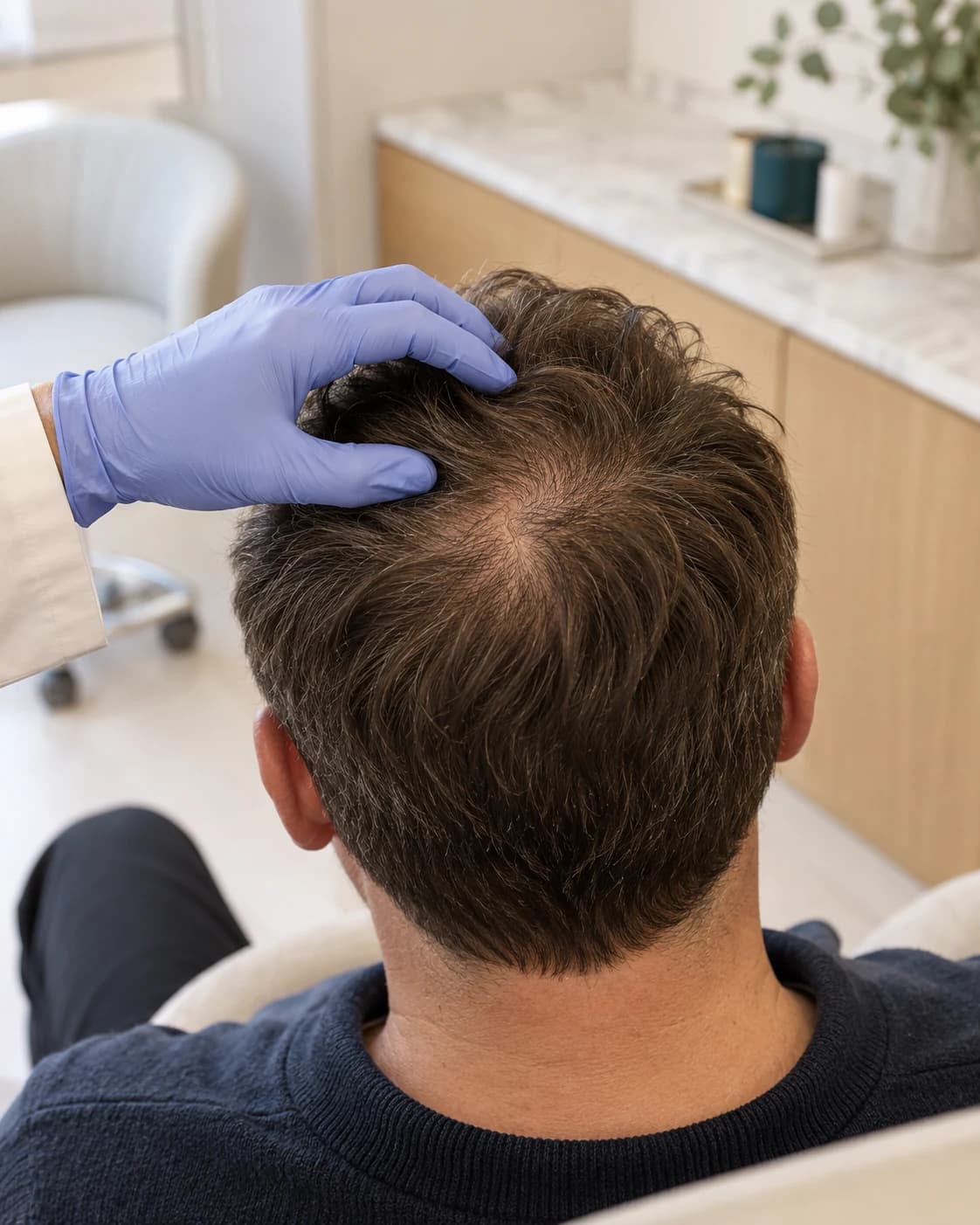
PRP is sometimes used on the scalp. Hair thinning has many possible causes, so an assessment of the likely cause comes first, and we may recommend that you see your GP or a dermatologist before considering treatment.
This information is general and is not a substitute for a consultation. Suitability for treatment is decided by the practitioner after an individual assessment, and individual results vary.